Press Releases
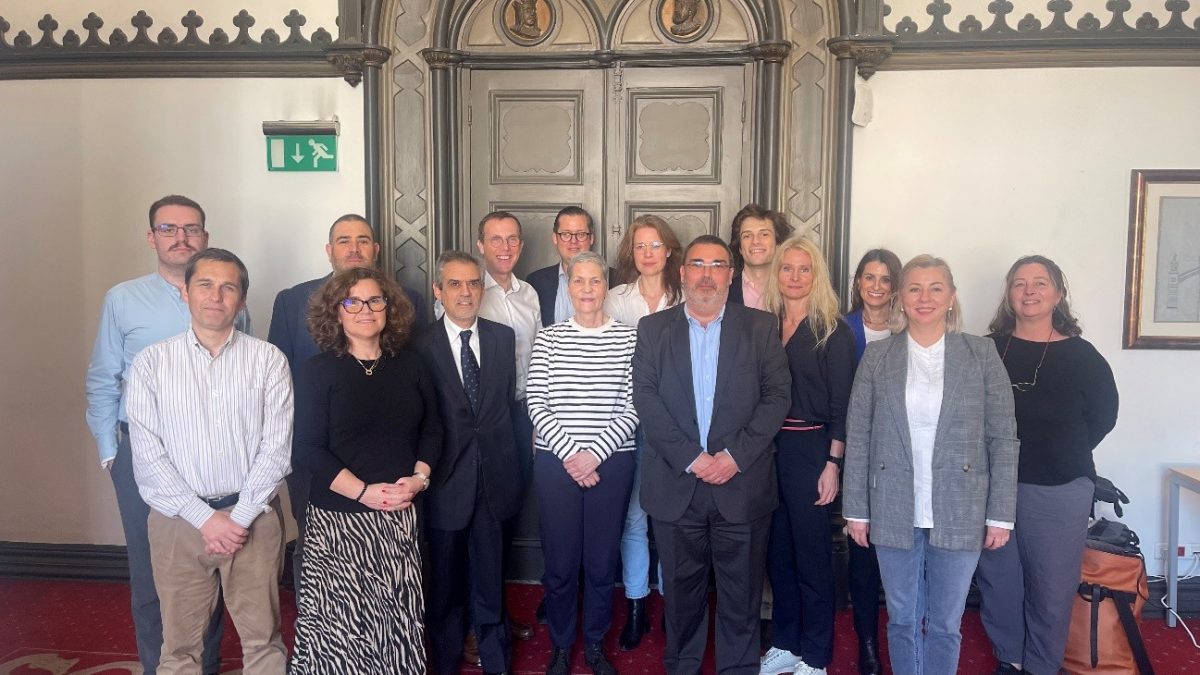
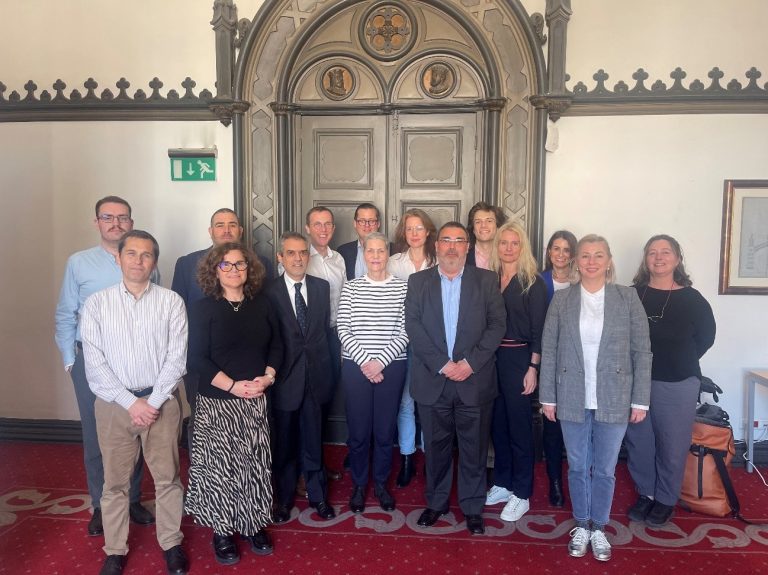
On 12 March, EIM’s Task Force on Capacity Management held its 50th meeting in Lisbon—hosted by EIM’s member, Infraestruturas de Portugal. The Task Force was established following the European Commission’s July 2023 proposal on rail capacity management, which was agreed between Council and Parliament in November 2025. Once published, the Capacity Regulation will introduce a new legislative framework for the coordination and allocation of railway capacity across the European rail network.
Since its first meeting on 5 October 2023, EIM’s Task Force on Capacity Management has brought together legal and operational experts from EIM’s member infrastructure managers to coordinate and support the association’s work on the file, develop common positions, and foster engagement with the EU institutions throughout the legislative process. As we now move into the implementation phase of the Capacity Regulation the Task Force shifts focus to the practical aspects of preparing for the Regulation’s timely and effective implementation.
In anticipation of the Trilogues, the Task Force developed a number of common priorities for EIM’s members. A total of 44 meetings of the Task Force were held until the trilogue process concluded in November 2025. Although the pace of the negotiations could be challenging to follow, the expertise within the Task Force and the rapid exchange of information between its members enabled EIM to keep track of developments and prepare positions ahead of each Trilogue meeting. The Task Force proved effective in ensuring alignment between infrastructure managers and presenting a coherent sector position during the negotiations.
The Regulation is expected to be officially published during the summer, after which the first milestones will be fixed in time. The establishment of ENIM is foreseen for this autumn. Some of the initial deadlines will probably already fall in 2027, including the submission of the first European Framework on capacity management and the start of the capacity strategy development process. While this may appear distant, the operational and organisational preparation required means that infrastructure managers will need to begin work well in advance. Here it is also vital to have good correspondence between the different entities already working on the timely implementation, such as the PRIME task force, and the processes ongoing within RNE to prepare the organisation to take on the role of Network Coordinator.
The Task Force will therefore continue its work as long as there is a need among the EIM membership by supporting them in preparing for the timely and effective implementation of the Regulation. The group brings together experts who have followed the file closely throughout the legislative process and who are highly familiar with the detailed provisions of the Regulation. As a result, the Task Force provides a unique forum within EIM for discussing practical implementation questions, exchanging experience between infrastructure managers, and developing a shared understanding of how the new rules should be interpreted and applied in practice. The expertise within the group will therefore be an important resource for members as they begin implementing the new framework.
“Chairing the Capacity Management Task Force—and analysing legislation that will be vital to the rail industry all over Europe—is one of the most interesting tasks I have undertaken. After all, chairing is the easy task—the real benefit of the group are all the experts that have contributed diligently over the 50 meetings the group has had so far. Now the focus shifts to implementation—together with the rest of the Rail Industry we have plenty of tasks to tend to.” – Sven Marius Utklev Gjeruldsen-Halle, (Bane NOR) Chairman of the Task Force.
“I am very happy with the output and efficiency of the Capacity Management Task Force over the course of the last two and a half years and look forward to the continuation as work now shifts from negotiation to implementation.” – Monika Heiming, Executive Director of EIM.